
Every group itinerary looks perfect before the trip begins.
The airport pickup is scheduled.
The hotel is confirmed.
The meeting starts at 10:00 AM.
Lunch is booked for noon.
The afternoon event has a fixed start time.
Dinner is at 7:00 PM.
Then real life happens.
A flight arrives late. A meeting runs longer than expected. The group wants to add another stop. An event changes its timing. Traffic affects the route. Dinner needs to move. A passenger leaves something at the hotel.
When one person is traveling, a schedule change may be simple.
When 30, 40, or 50 people are moving around Dallas–Fort Worth, even a small adjustment can affect the entire group.
That is why good group transportation is about more than creating an itinerary. It is also about creating a transportation plan that can handle the realities of group travel.
With professional bus and shuttle transportation from JC LIMO, organizers can give passengers one coordinated travel structure from the beginning of the day to the final destination.
A Group Itinerary Is a Plan, Not a Guarantee
Schedules are important.
Without one, a large group can quickly become disorganized.
But an itinerary should not be built as though every activity will begin and finish at the exact minute shown on the document.
Consider a corporate meeting scheduled from 10:00 AM to noon.
At 11:55, the conversation is going well.
Nobody wants to interrupt an important client discussion simply because the original itinerary says the bus should leave five minutes later.
Or perhaps the meeting does finish at noon, but 40 passengers need time to collect their belongings, leave the building, and reach the pickup area.
A realistic transportation plan recognizes that transitions take time.
Build Breathing Room Into the Day
One of the easiest ways to make a group schedule more resilient is to avoid making every activity dependent on perfect timing.
Suppose the itinerary looks like this:
10:00 AM–12:00 PM — Meeting
12:05 PM — Lunch reservation across town
That schedule leaves almost no room for reality.
Even if the meeting finishes exactly at noon, the group still needs to leave the building, board transportation, and travel.
A better itinerary includes reasonable time between major activities.
Buffers do not have to make the day slow.
They simply prevent one small delay from affecting everything that follows.
One Delay Can Affect the Entire Group
With individual transportation, passengers may respond to a delay differently.
Some leave early.
Others stay.
Several people change their rides.
A few decide to meet the group later.
Suddenly, the original group is spread across several locations.
With a private JC LIMO bus, transportation can remain centralized.
The organizer communicates the updated plan.
Passengers know where the bus is.
When the group is ready, everyone continues together according to the revised itinerary.
That structure can make changes easier to communicate.
Corporate Meetings Often Run Long
Business travel is one of the clearest examples of an itinerary that can change during the day.
A presentation generates more questions than expected.
A client wants additional discussion.
A site tour takes longer.
An executive adds another meeting.
Lunch gets pushed back.
For corporate groups traveling around Dallas, trying to rearrange transportation for every individual passenger can create another distraction.
A coordinated corporate transportation plan keeps the travel side of the day more organized.
Instead of asking 30 people to independently update their transportation, the organizer can focus on one group movement.
Conferences Rarely Follow One Simple Route
Conference transportation can look straightforward at first:
Hotel.
Conference.
Hotel.
But actual conference days often involve much more.
A team may leave the venue for a client lunch.
Some attendees may have an off-site meeting.
The group might attend an evening networking event.
A dinner invitation may arrive unexpectedly.
The company could decide to bring everyone together after the final session.
A dedicated bus or shuttle can support a more connected itinerary when several group movements are already expected.
The important part is to keep communication clear whenever the schedule changes.
Events Can Finish Earlier or Later Than Expected
Concerts, sporting events, private celebrations, corporate functions, and other gatherings do not always end exactly when organizers expect.
An event can run late.
A game can continue longer.
A reception can finish earlier.
A corporate dinner may turn into an extended networking session.
That is why return transportation should be considered when planning the event.
Passengers should know the original pickup plan, but there should also be one person responsible for communicating updates if necessary.
Without centralized communication, one passenger may think the bus leaves at 10:00 while another believes the time changed to 10:30.
Airport Delays Can Change the First Day
Flights are another major source of schedule changes.
A group may plan to land at DFW Airport in the afternoon, travel to the hotel, check in, and attend dinner.
Then the flight arrives late.
Now the hotel transfer happens later.
Check-in moves.
Dinner may need to change.
For groups arriving on several flights, the situation can become even more complicated.
Organizers should collect flight information in advance and avoid making the first activity after arrival unnecessarily tight.
The airport is often the part of the itinerary where flexibility matters most.
Avoid Scheduling Important Activities Too Close to Arrival
If a group is flying into Dallas, it is usually wise to remember how many steps occur after the scheduled landing time.
Passengers leave the aircraft.
Walk through the terminal.
Collect luggage.
Meet the group.
Reach the transportation pickup point.
Board.
Travel to the next destination.
A flight scheduled to land at 3:00 PM does not mean the group will be at a downtown meeting at 3:30 PM.
A realistic airport transportation plan considers the full process.
This can protect the rest of the day’s itinerary from unnecessary pressure.
Weather Can Affect a Texas Travel Day
Texas weather can influence travel plans.
Heavy rain, storms, extreme heat, or other conditions can affect outdoor activities, event schedules, and transportation timing.
An outdoor event may move.
A group may decide to spend less time at one destination.
Plans can change quickly.
For group organizers, the priority should be keeping everyone informed.
If transportation is centralized, passengers do not each need to interpret the revised plan independently.
One update can guide the group toward the next destination.
Traffic Can Change the Route or Timing
Dallas–Fort Worth is a large metropolitan area.
Travel conditions can vary by time of day, route, construction, major events, and other factors.
A schedule that looks comfortable on paper may become tighter if the group encounters delays.
That is another reason not to build an itinerary around the shortest possible travel time.
If arriving late would create a serious problem, allow a reasonable buffer.
Transportation planning should support the event schedule rather than compete with it.
Adding an Extra Stop Changes More Than the Route
Group trips sometimes become more ambitious once everyone is together.
“Can we stop somewhere before dinner?”
“Can we go back to the hotel first?”
“Can we add another site visit?”
“Can we pick someone up?”
An extra stop may sound simple, but it can affect:
Travel time.
Arrival times.
Passenger count.
Route.
Parking or access.
The activities that follow.
Before changing a group transportation itinerary, consider the effect on the entire day.
The best decision is not simply whether the additional destination is nearby.
It is whether the revised schedule still works.
Multi-Stop Days Need More Flexibility
The more stops an itinerary has, the more opportunities there are for timing to shift.
Consider:
Hotel.
Meeting.
Lunch.
Site visit.
Conference.
Dinner.
Hotel.
If each activity runs ten minutes late, the final part of the day could be significantly different from the original schedule.
This does not mean multi-stop trips are a bad idea.
They simply need realistic timing.
A private bus can make them easier because passengers are not repeatedly arranging transportation between every stop.
When one activity finishes, the group returns to the same transportation plan.
Keep One Transportation Coordinator
When plans change, too many decision-makers can create confusion.
For a large group, designate one transportation coordinator.
This person should have the current itinerary and understand any approved changes.
Passengers should know that transportation updates come through that coordinator.
If lunch moves by 30 minutes, the coordinator communicates it.
If the event pickup location changes, the coordinator shares the new instructions.
If the group is running late, the coordinator handles the transportation communication.
One source of information is much easier to follow than dozens of separate messages.
Use a Group Communication Channel
Large groups can benefit from a simple communication channel.
This could be a group text, company messaging platform, event app, or another system everyone can access.
Transportation updates should be short and specific.
For example:
UPDATE: Hotel departure is now 6:15 PM. Please meet at the main entrance by 6:05 PM.
That message answers the important questions.
What changed?
Where do I go?
When do I need to be there?
Avoid sending long explanations when passengers only need the updated transportation instruction.
Do Not Forget People Who Miss the Update
A communication plan is only useful if passengers actually receive the information.
For corporate groups, make sure visitors have access to the selected communication channel.
For weddings or private events, older guests may not be using the same app as everyone else.
For international visitors, mobile service may be different.
The transportation coordinator should know whether important updates need to be communicated in more than one way.
Multiple Pickups Make Changes More Complicated
If the bus is collecting passengers from several locations, a schedule change at one pickup can affect the others.
Suppose the first hotel pickup is delayed by 15 minutes.
Passengers at the second hotel should not be left wondering where the transportation is.
The coordinator should communicate the updated timing.
This is particularly important for early-morning airport transfers and time-sensitive event transportation.
A clear update is better than silence.
Luggage Can Slow an Unexpected Change
Imagine a group was supposed to check into a hotel before a meeting.
The rooms are not ready, so the plan changes and the group heads directly to the meeting.
Now the luggage becomes part of the transportation decision.
Whenever an itinerary changes, think about what passengers have with them.
Suitcases.
Event materials.
Business equipment.
Personal belongings.
A route change that is easy for passengers traveling light may require more planning when the group has significant luggage.
Vehicle Choice Should Support the Actual Itinerary
JC LIMO provides options including 31-passenger minibuses and 56-passenger motor coaches.
Vehicle planning should consider more than the original passenger count.
Think about:
Group size.
Luggage.
Number of stops.
Journey length.
Pickup locations.
Destination access.
Overall schedule.
The more complete the information provided when transportation is arranged, the easier it is to create a plan suited to the trip.
Private Transportation Keeps the Group Connected
When plans change and passengers are traveling in multiple cars, organizers may need to contact several drivers.
Some people may already be on the road.
Others may not have left.
A few may follow the original schedule because they did not receive the update.
With private group transportation, more passengers remain physically together.
When the plan changes, they change it as a group.
That can be especially useful for out-of-town visitors who do not know Dallas–Fort Worth well.
The Bus Can Become the Group’s Constant
During a busy multi-day trip, almost everything may change.
Different meeting rooms.
Different restaurants.
Different venues.
Different hotels.
Different activities.
The transportation can provide continuity.
Passengers learn the routine.
Finish the activity.
Return to the pickup point.
Board the bus.
Continue.
For groups unfamiliar with Texas, that consistency can make a complicated itinerary feel much easier.
A Flexible Plan Still Needs Structure
Flexibility does not mean operating without a schedule.
In fact, the best way to handle changes is to start with a clear plan.
Everyone should know:
Original meeting time.
Departure time.
Pickup location.
Destination.
Return plan.
Transportation coordinator.
Then, if something changes, the group has a clear reference point.
“Departure moved from 5:30 to 6:00” is easy to understand.
“Transportation will happen sometime later” is not.
Structure makes flexibility possible.
Know Which Times Cannot Move
Some parts of the itinerary may be flexible.
Others are not.
A casual dinner may be adjustable.
A flight departure is much less flexible.
A corporate networking session may allow late arrival.
A wedding ceremony may not.
A concert has a scheduled start.
Identify the moments that matter most.
Then build the transportation schedule around protecting those times.
If the group absolutely needs to arrive at a destination by 4:00 PM, earlier activities should have enough flexibility to support that requirement.
Early Departures Need Backup Time
A very early airport transfer is another situation where the schedule should avoid unnecessary risk.
Passengers may oversleep.
Hotel checkout may take longer.
Luggage needs to be loaded.
The group may need time to gather.
The passenger meeting time should happen before the bus departure time.
For example:
Meet with luggage: 4:15 AM
Boarding: 4:25 AM
Departure: 4:30 AM
A few extra minutes at the beginning can protect the entire airport schedule.
Late-Night Changes Need Clear Communication
At the end of a long day, people are tired.
This is not the ideal time for complicated transportation instructions.
If a late-night event changes the return schedule, communicate the update as simply as possible.
For example:
Final JC LIMO hotel shuttle now departs at 11:15 PM from the original pickup location. Meet by 11:05 PM.
Passengers immediately know what has changed.
24/7 Dispatch Supports Different Travel Schedules
Group transportation does not always happen during standard business hours.
Flights arrive late.
Airport departures happen before sunrise.
Events continue into the evening.
Employee shifts operate around different schedules.
JC LIMO provides 24/7 dispatch, supporting group transportation needs that may extend across early mornings, daytime itineraries, evenings, and late-night travel.
For complex group trips, having transportation planned around the actual schedule can make coordination much easier.
Do Not Try to Fix Every Delay by Rushing
When a group falls behind schedule, the natural reaction is often:
“We need to make up the time.”
But rushing every transition can create more stress.
Passengers still need reasonable time to board.
They still need to gather belongings.
The group still needs clear instructions.
Sometimes the better solution is to adjust a later activity rather than trying to compress every transportation movement.
The itinerary should serve the group, not make everyone feel as though they are racing against it.
Good Group Transportation Is About Continuity
The value of organized transportation becomes especially clear when the original plan changes.
Passengers do not need to rebuild the journey from scratch.
They already have a transportation structure.
The pickup may move.
The time may change.
A destination may be added.
But the group still knows how it is traveling.
That continuity can be extremely valuable during corporate trips, events, conferences, private celebrations, airport travel, and multi-day Texas itineraries.
Keep Your Dallas Group Moving With JC LIMO
No itinerary is completely immune to change.
Flights get delayed.
Meetings run long.
Events shift.
Extra stops appear.
Traffic changes timing.
Plans evolve.
The goal is not to predict every possibility.
It is to build a transportation plan that keeps the group organized when the day does not happen exactly as expected.
JC LIMO provides professional bus and shuttle transportation throughout Dallas, Fort Worth, the DFW Metroplex, North Texas, and destinations across Texas for corporate groups, airport travelers, conferences, events, employees, private groups, and multi-stop trips.

Related posts
 13Oct, 26
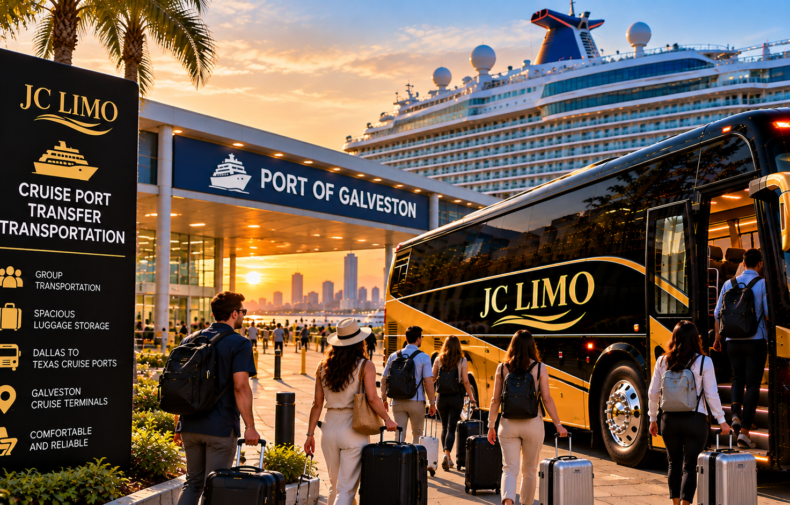
Dallas Group Transportation With Luggage and Equipment
 13Oct, 26
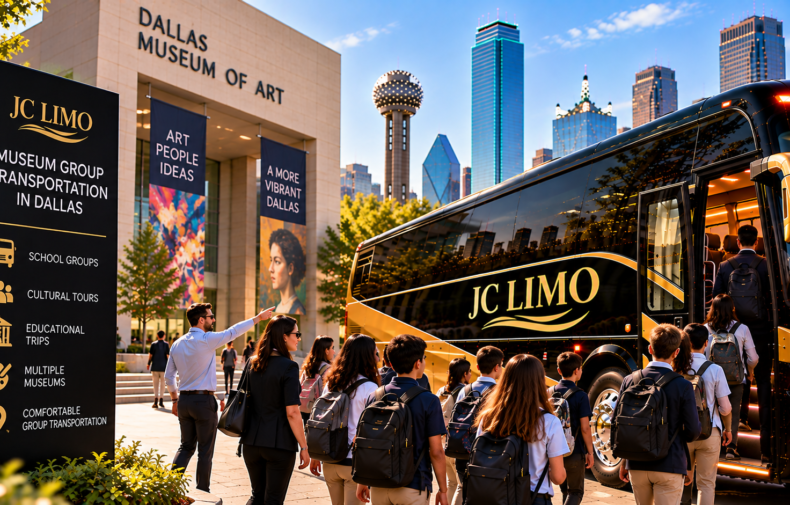
Dallas Group Transportation With Multiple Drop-Offs
 13Oct, 26
- October 13, 2026
- 0
- 10
